
Loading
Loading
We use strictly necessary cookies to run this site, and analytics cookies to understand how it's used. See our Privacy Policy for details.
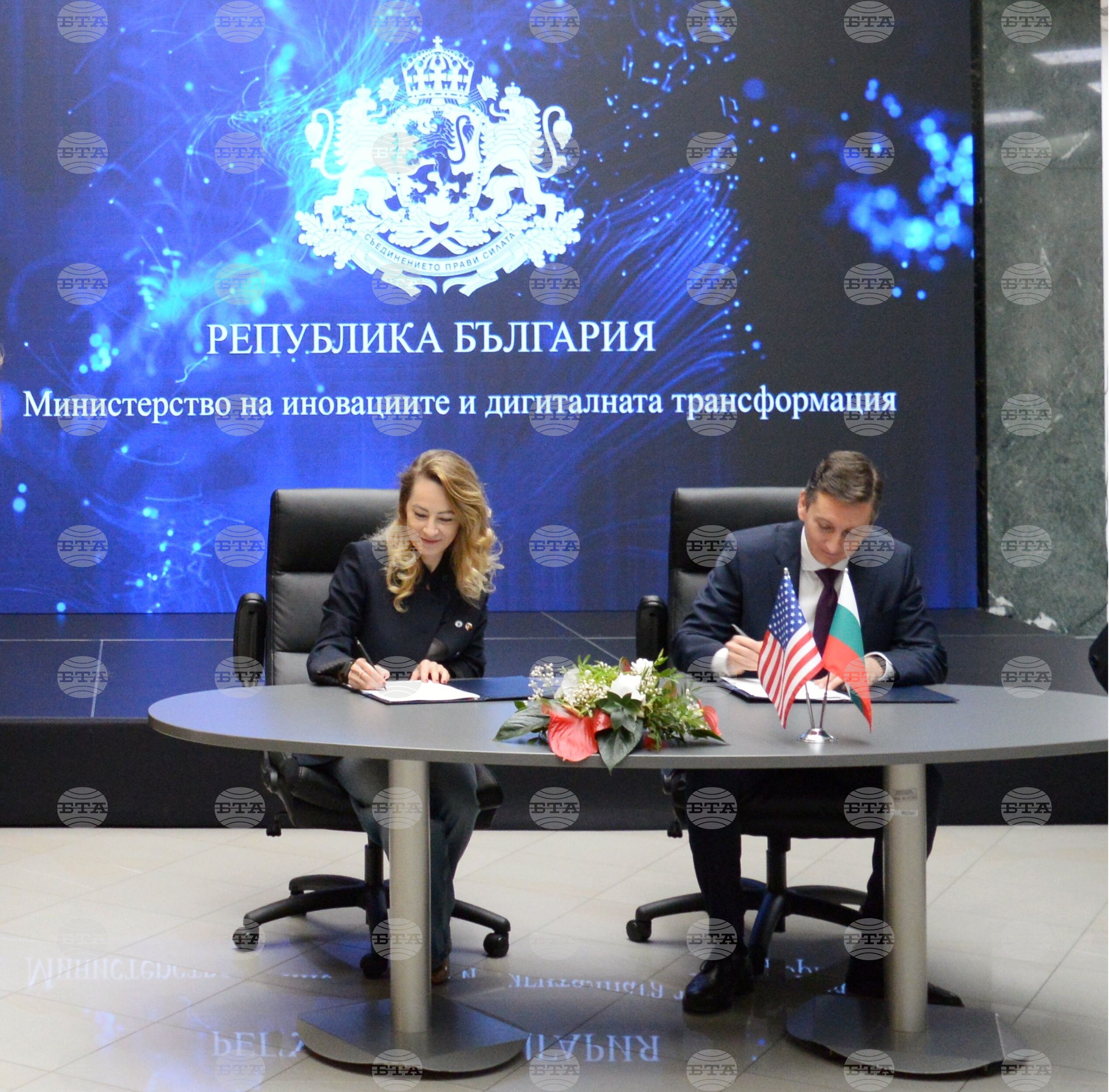
The Innovation and Digital Transformation Ministry and cybersecurity company Palo Alto Networks signed a memorandum of understanding on Thursday, the ministry said on its website.
Summary
The memorandum builds on the existing partnership between the ministry and the company in developing the National Cybersecurity System, which aims to provide comprehensive protection for the information infrastructure of the state administration. The National Cybersecurity System uses Palo Alto Networks technology to detect and analyse cyber threats, detect suspicious activity and anomalies, manage vulnerabilities and potential attack vectors, and centrally manage network security. These capabilities form part of a defence-in-depth approach designed to detect threats early, reduce risks and strengthen the resilience of government information systems, the ministry said.
An important element of the cooperation to date has been building the expertise of Bulgarian cybersecurity professionals. The National Computer Security Incident Response Team (CSIRT) has undergone specialized training in detecting and investigating cyber incidents, analysing complex cyber threats, managing security operations, and effectively using and integrating modern cybersecurity technologies. The company also provides expert support in analysing actual cyber incidents, helping national specialists detect threats and investigate suspicious activity.
The memorandum provides a basis for expanding cooperation in the exchange of expertise, sharing information on current cyber threats, developing professional skills and applying innovative cybersecurity approaches, including the use of AI and automated technologies to detect and analyse threats. US Charge d'Affaires in Bulgaria H. Martin McDowell also attended the signing ceremony.
KazaSec's take
Incidents like this rarely start with the headline event itself, they usually trace back to an exposed remote-access endpoint, an unpatched perimeter system, or a credential phished weeks earlier. The organizations that recover fastest are the ones that tested their defenses and their incident response plan before they needed them.
Coverage details
We've archived 13 other articles touching the same topic (economy) , see the full security news archive.
Related security advisories
Relevant from KazaSec
More coverage on this topic
We help organizations find and fix the gaps before they make headlines.