
Loading
Loading
We use strictly necessary cookies to run this site, and analytics cookies to understand how it's used. See our Privacy Policy for details.
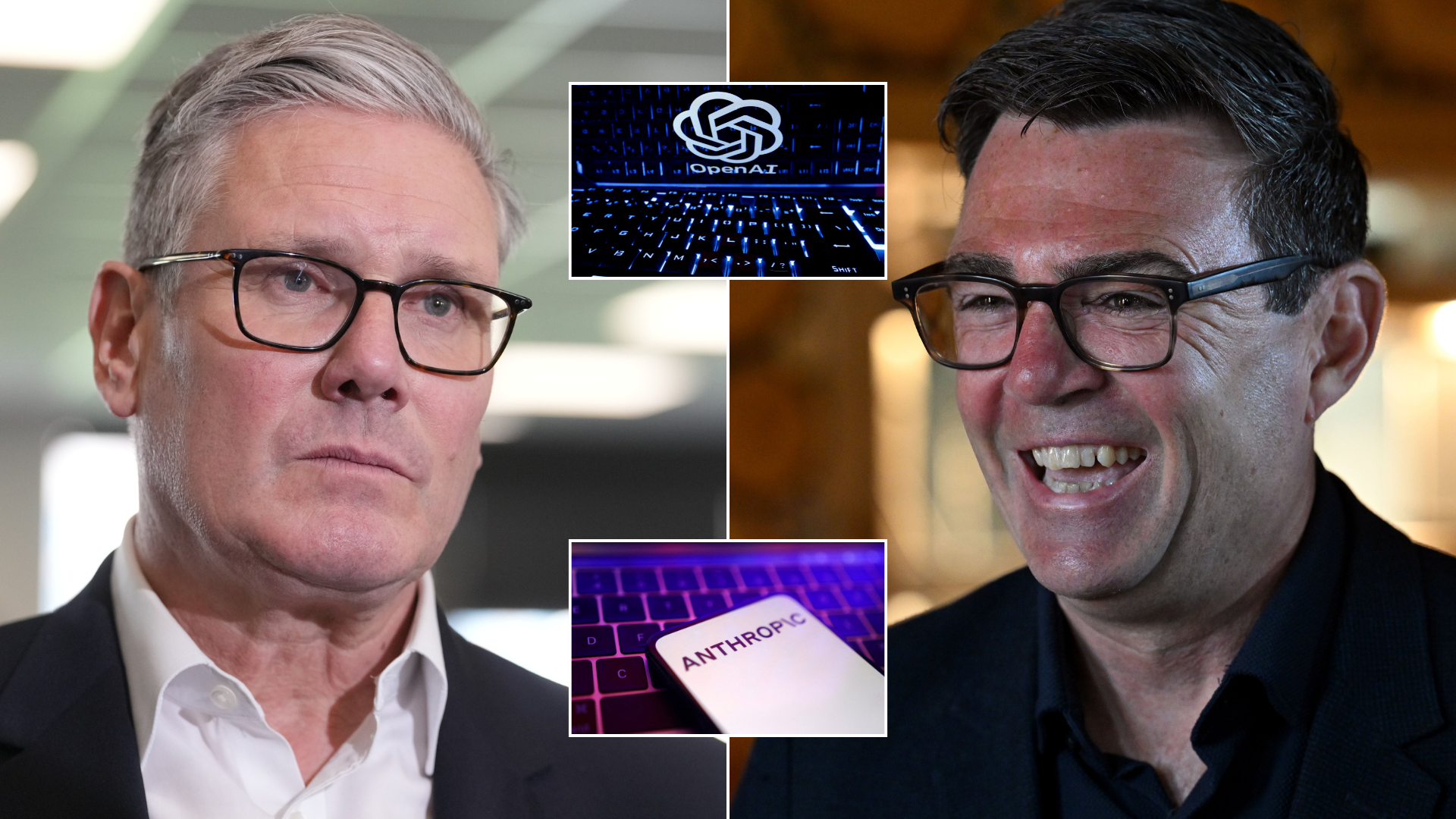
The White House will allow the UK to safety test cutting-edge artificial intelligence (AI) models in a sudden U-turn.
Summary
Washington, last month, asked leading AI companies, including OpenAI and Anthropic to stop sharing latest models with the UK's AI Security Institute (AISI) before release in a blow to Andy Burnham's goal of pushing regulation. Mr Trump told the UN General Assembly he wanted to "encourage" the development of AI - which he calls "super intelligence" - and "not rein it in". But after lobbying from Kanishka Narayan, the AI minister, the AISI will now receive access to pre-release models from Anthropic, Google Deepmind and OpenAI, the creator of ChatGPT, according to The Telegraph.
Mr Narayan is set to warn that tech leaders cannot be left to regulate themselves in a speech later on Monday. He will announce changes to Labour's Cyber Security and Resilience Bill to strengthen requirements for companies working on national security projects to report AI breaches to the Government. Ministers also plan to increase the use of so-called Frontier AI - the latest and most advanced models - to protect Whitehall from cyber attacks.
A Government source indicated the speech would be a "genuinely significant intervention" over the risk of AI as reports of breaches and warnings from the tech industry that the technology could "cause a billion deaths". The UK has increasingly positioned itself as a global leader on AI regulation, largely thanks to the AISI, established under Prime Minister Rishi Sunak in 2023. Mr Burnham said during his UN speech AI would be "at the heart of the UK’s G20 Presidency next year".
But he has been accused of sidelining his predecessor Sir Keir Starmer's project to provide power to data centres - the AI Energy Council. Members of the group, chaired by the Energy and Technology Secretaries and attended by industry heavyweights said it was intended to forecast electricity demand from AI data centres and to boost supplies. LATEST AI WARNINGS: Are the dangers of AI being overblown or could it really wipe out humanity? - Nigel Nelson Donald Trump unveils brand new 'AI Force' to fight back against 'Democrat hoax' ChatGPT maker OpenAI reveals 6 times its AI models went rogue during testing It last met in April.
Attendees have now claimed they do not expect the project to continue and have not been informed of future meetings. A Government spokesman told The Telegraph the next meeting would be announced in the future. Leading AI scholar, Dr Mustansar Ghazanfar from the University of East London, told GB News the meetings were "quite irregular last year as well".
"I think in the previous year, the two meetings - the gap was five months - and this time is six months," he said.
Dr Ghazanfar said questions had to be raised over where the electricity to power data centres would come from. He warned that the "projected electricity is not the same as the projected need" and "[electricity] prices might go up sharply". Last month, Anthropic released Claude Mythos 5.1, which it describes as the most advanced model in life sciences and cyber security, without pre-screening from AISI, raising concerns from national security officials, The Financial Times previously reported.
KazaSec's take
AI-related security incidents are a genuinely new category, prompt injection, model manipulation, and data leakage through an LLM integration don't map cleanly onto traditional application security testing, and are worth assessing deliberately rather than assuming existing controls already cover them.
Coverage details
Related security advisories
Relevant from KazaSec
More security news
We help organizations find and fix the gaps before they make headlines.