
Loading
We use strictly necessary cookies to run this site, and analytics cookies to understand how it's used. See our Privacy Policy for details.
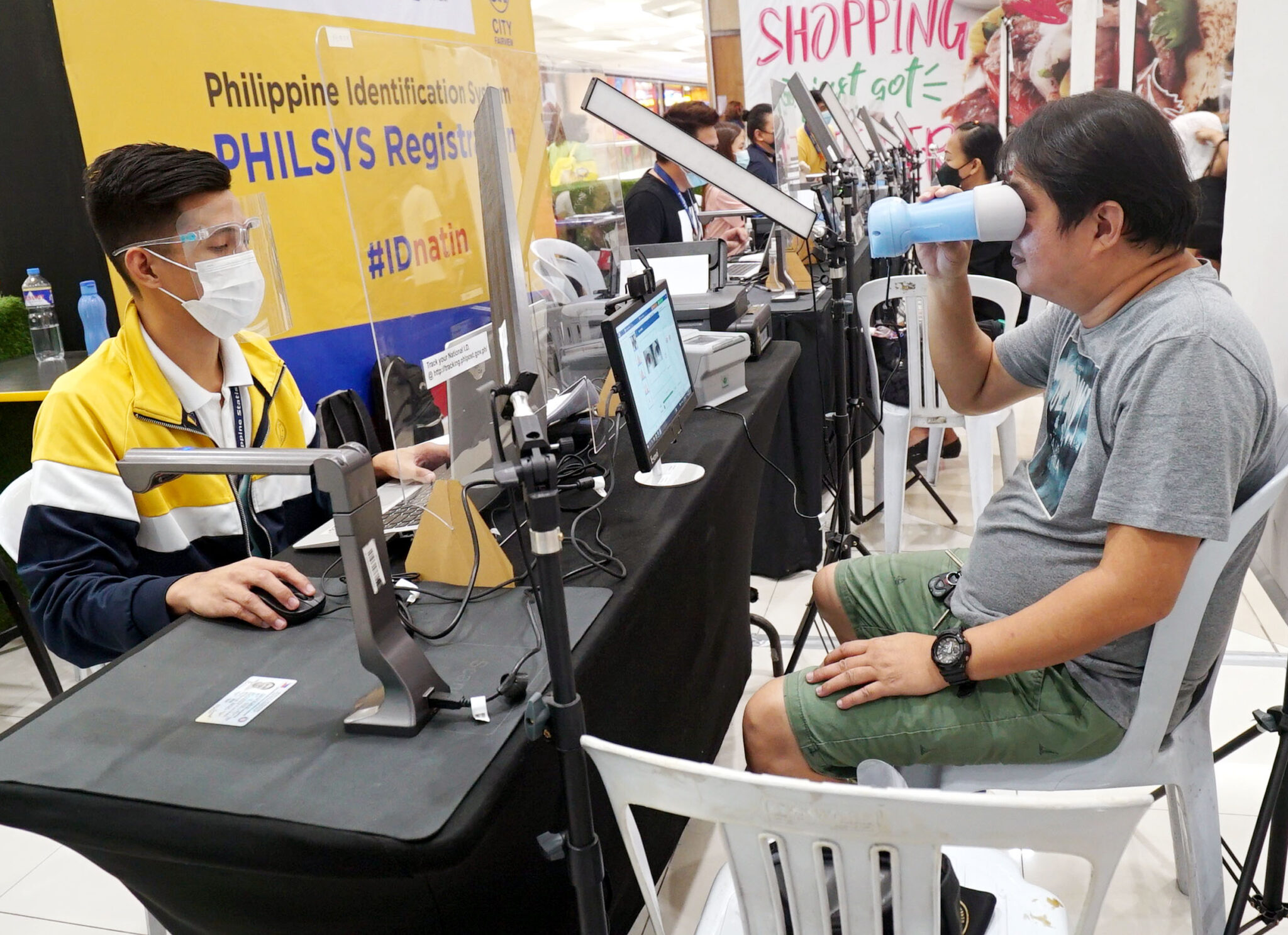
The Philippine Statistics Authority (PSA) has extended the deadline for bids on a public‑private partnership (PPP) to modernize the country’s national ID system and cancelled a second pre-bid conference scheduled for November 25.
Summary
The procurement has attracted interest from dozens of companies, with 28 attending the first pre-bid conference. The government is planning an upgrade to the Philippine Digital National Identity (PDNI) Project, budgeted for 2.48 billion Philippine pesos (approximately US$39 million), to modernize a range of technologies supporting the digital ID system. The deadline for bids has been extended from January 11, 2027 to February 11.
A pre-bid conference was held on November 9, 2026, and a recording is available through PSA and the country’s PPP Center. Bidders can also request further information directly from the authorities. PSA says the 28 local and international companies attending the conference specialize in digital identity, biometrics, ICT infrastructure, cybersecurity and system integration.
The Philippines Pre-Qualification/Qualification, Bids and Awards Committee (PBAC) cancelled the second pre-bid conference, scheduled for November 25, after determining it was no longer necessary. The project includes biometric registration, ID card production, authentication services, onboarding for relying parties from the private sector and operation of the underlying ICT infrastructure. Key performance indicators include the accuracy of KYC checks, how long it takes to process a registration and either issue a PhilSys number or a rejection and biometric deduplication accuracy.
Bid instructions also stipulate that the selected bidder must support the PDNI’s infrastructure across on-premises, private and public cloud environments for MOSIP, ABIS and BIAS (Biometric Identity Assurance Service, for deduplication) workloads. The project will follow a build-transfer-operate arrangement, with a 20-year concession following a six-month transition period. Competition process following unsolicited proposal The upgrade was approved following an unsolicited proposal from Unisys Public Sector Services Corporation.
Unisys proposed a system that would give the PSA a 39.55 percent share of gross concession revenue over the 20-year period. The government’s September approval of the proposal moved the PPP tender to a comparative challenge process. Challengers must beat the 39.55 percent revenue share offered to PSA as part of their bids.
The PSA will select a “Superior Bid” based on the highest revenue share offered among technically qualified bidders. If Unisys is not selected, then as the original proponent, the company has a right to match any Superior Bid within 30 calendar days. Unisys's 30-day right to match a superior bid, followed by the government's final award procedures, means the competition could extend into March or later.
Biometric Update welcomes comments from companies considering a bid, project participants and others familiar with the procurement process. Those wishing to share information or perspectives can contact us at [email protected].
KazaSec's take
Most public cloud incidents trace back to a misconfiguration, an overly permissive IAM role, a storage bucket left open, a default setting nobody revisited, rather than a flaw in the cloud provider itself. A cloud security review is built to catch exactly that class of mistake before it's found the hard way.
Coverage details
We've archived 35 other articles touching the same topic (civil / national id, unisys, government services) , see the full security news archive.
Relevant from KazaSec
More coverage on this topic
We help organizations find and fix the gaps before they make headlines.