
Loading
Loading
We use strictly necessary cookies to run this site, and analytics cookies to understand how it's used. See our Privacy Policy for details.
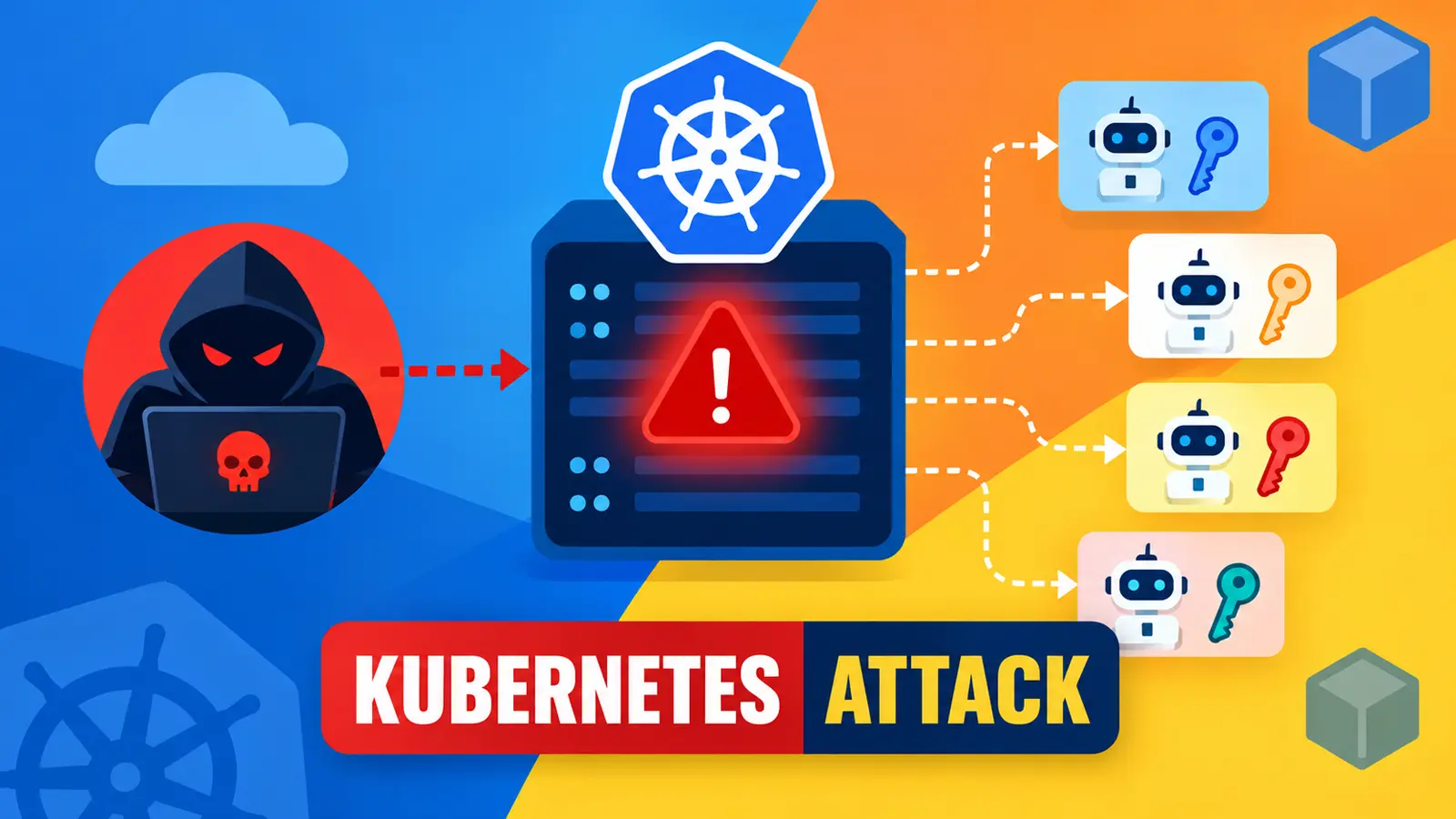
A Kubernetes node becomes an identity breach point when an attacker gains root access.
Summary
Research shows a hostile process can impersonate other workloads and obtain their credentials, turning one foothold into wider access across a shared node. The issue affects SPIFFE and SPIRE deployments, which replace long-lived secrets with short-lived workload identities.
This summary is a partial excerpt — the source's own feed cuts off here. Read the full story at Cybersecuritynews for the rest.
KazaSec's take
Incidents like this rarely start with the headline event itself — they usually trace back to an exposed remote-access endpoint, an unpatched perimeter system, or a credential phished weeks earlier. The organizations that recover fastest are the ones that tested their defenses and their incident response plan before they needed them.
Coverage details
We've archived 49 other articles touching the same topic (threats, cyber security news, cyber security) — see the full security news archive.
Relevant from KazaSec
More coverage on this topic
We help organizations find and fix the gaps before they make headlines.