
Loading
Loading
We use strictly necessary cookies to run this site, and analytics cookies to understand how it's used. See our Privacy Policy for details.
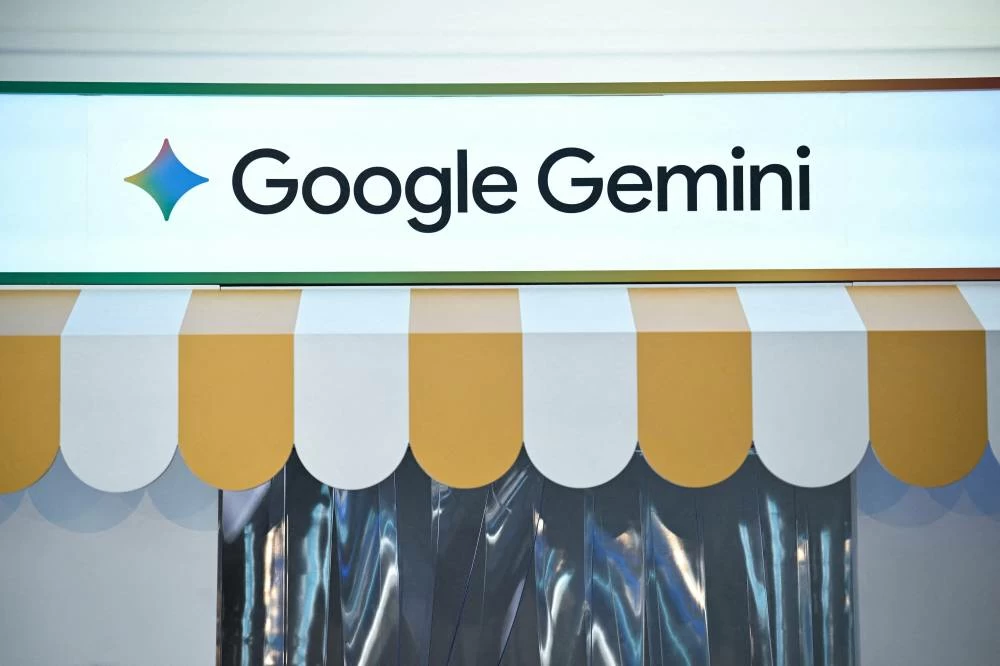
Alphabet's Google on Wednesday released its flagship AI model Gemini 4 Argon to developers and businesses worldwide, seeking to regain ground against rivals OpenAI and Anthropic after months of delays and a leadership shakeup at its DeepMind lab.
Summary
The model excels at "deep work" on complex, multi-step tasks in coding, finance, law, cybersecurity and science, Google said. API pricing at launch starts at $2 per million input tokens and $10 per million output tokens, with rates set to double after November 30. The release follows a rocky stretch in Google's AI efforts.
The company announced in September that it no longer planned to release Gemini 3.5 Pro, which CEO Sundar Pichai had originally said would be released in June. It also overhauled DeepMind after the AI lab's co-founder and CEO Demis Hassabis stepped aside and several leaders of its Gemini model left the company. Argon is available to paying customers through the company's AI application building tools.
Google AI Pro and Ultra subscribers can access it through the Gemini app and AI Mode in Search, while the Antigravity coding tool is limited to Ultra subscribers. Teams using Argon in Antigravity increased agentic code submissions by more than 35%, while reducing code rollbacks by nearly a third, Google said. Customers testing the model early include Deloitte, LexisNexis, Ambience Healthcare and Isomorphic Labs.
Meanwhile, Google said it would open its Fairwind Program to hundreds of additional partners. The program gives vetted cybersecurity defenders a version of Argon without its cyber guardrails. In September, the company had said it was providing the model to select cybersecurity partners.
Separately, Google will offer 10,000 scientists six months of free access to Antigravity's highest usage tier.
KazaSec's take
Web and API vulnerabilities like this are exactly what manual penetration testing is designed to catch, automated scanners routinely miss the logic flaws and chained issues that cause the most damage in practice.
Coverage details
We've archived 51 other articles touching the same topic (world, /22312099265/emirates247/world) , see the full security news archive.
Related security advisories
Relevant from KazaSec
More coverage on this topic
We help organizations find and fix the gaps before they make headlines.