
Loading
Loading
We use strictly necessary cookies to run this site, and analytics cookies to understand how it's used. See our Privacy Policy for details.
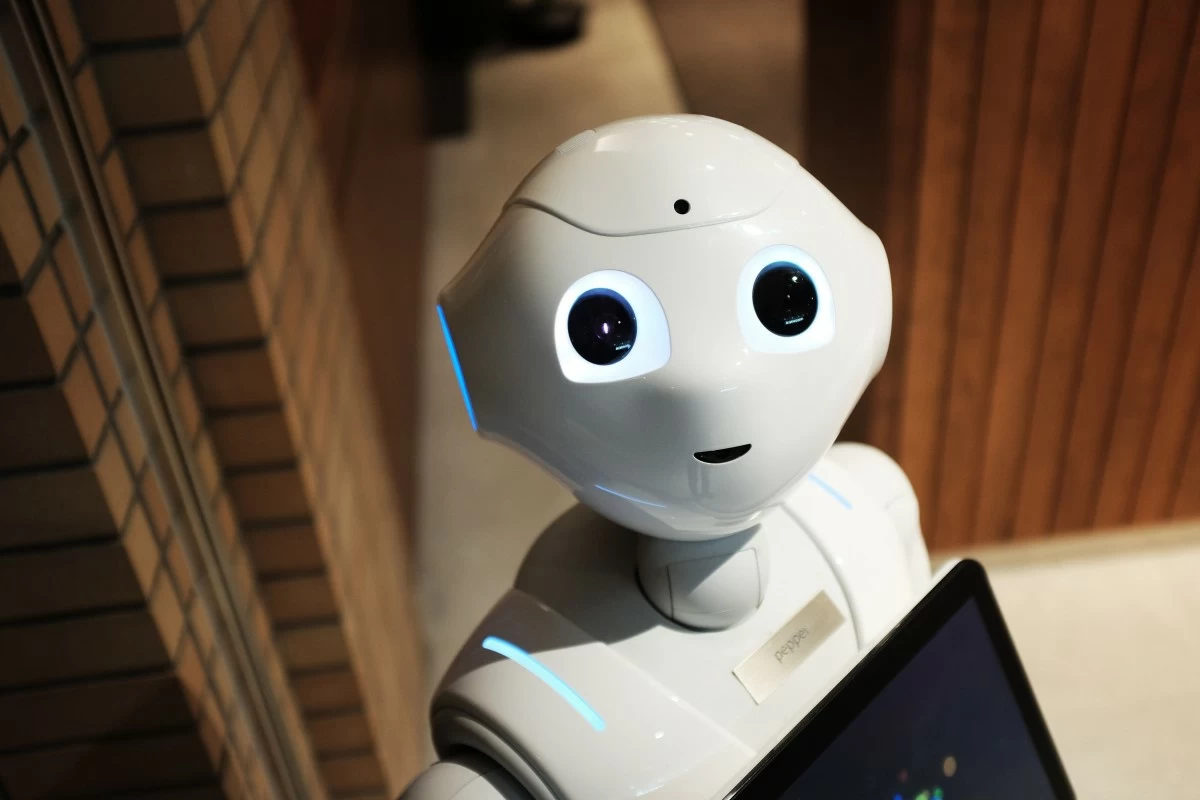
For years, conversations about artificial intelligence have revolved around one anxious question: Will AI replace people at work?
Summary
It is understandable, but it is no longer the most useful question. AI is already part of daily work, and the more urgent challenge is learning how to use it responsibly, creatively, and effectively. For a country with a young workforce, widespread connectivity, and a strong services economy, this shift offers a chance to boost productivity, expand opportunity, and compete more confidently in the global market.
Across the Philippines, workers are discovering that AI can shorten routine tasks and create more time for judgment, strategy, and human connection. It is helping people draft documents, analyze information, organize schedules, translate languages, generate ideas, and communicate with customers. The technology is not waiting for some distant future.
It is already inside offices, classrooms, clinics, newsrooms, studios, and small businesses. Journalists use AI to transcribe interviews, summarize lengthy reports, examine datasets, suggest headlines, and identify possible gaps in a story. These tools can accelerate research, but they cannot replace editorial judgment.
A generated statement may sound convincing while being completely false. Reporters must still verify every claim, examine sources, provide context, and decide what the public needs to know. Journalism depends on credibility, accountability, and the ability to ask questions that machines may never consider.
Teachers are using AI to prepare lesson plans, create exercises, simplify difficult concepts, and adjust materials for different learning levels. It can act as a patient tutor, providing examples whenever a student needs help. Yet education is more than delivering information.
Teachers inspire curiosity, recognize emotional needs, encourage discipline, and guide young people through uncertainty. Their role becomes even more important when students must learn to question AI-generated answers instead of accepting them automatically. Entrepreneurs and small business owners use AI to write product descriptions, design promotional materials, respond to customers, study market trends, and manage inventory.
A neighborhood shop can now access capabilities that once required a larger team or expensive consultants. This creates opportunities for Filipino businesses, but it also raises expectations. Customers will reward businesses that combine faster service with authenticity, reliability, and genuine understanding.
Doctors and other health professionals are exploring AI for medical imaging, clinical documentation, research, and decision support. Used properly, it can help professionals detect patterns and process large amounts of information. It must not become an unquestioned authority.
Medical decisions require professional expertise, patient history, empathy, informed consent, and accountability. In health care, an efficient answer is not always safe or appropriate. Creatives are using AI to brainstorm concepts, develop storyboards, edit images, compose music, and experiment with new styles.
Instead of ending creativity, the technology can expand the range of possibilities. The danger comes when people mistake speed for originality or use copyrighted work without proper consent and attribution. Filipino artists must protect their voice, values, and ownership while learning to direct these powerful tools.
Other professionals, from accountants and engineers to lawyers and government employees, are finding similar uses. AI can review documents, organize records, identify patterns, and automate repetitive processes. However, organizations should never casually upload confidential information to public AI services.
Organizations need clear policies covering privacy, security, accuracy, copyright, and human oversight. What skills will keep Filipinos competitive? First is AI literacy: understanding what these systems can and cannot do.
Second is critical thinking, including the ability to challenge outputs, detect bias, and verify information. Third is communication. People who can give clear instructions and explain results will use AI more effectively.
Data literacy, cybersecurity awareness, creativity, adaptability, and ethical judgment will also become increasingly valuable. Technical knowledge helps, but distinctly human qualities will carry even greater weight. Empathy, leadership, cultural understanding, courage, curiosity, and responsibility cannot be reduced to a prompt.
The strongest workers will be those who know when to use AI, when to question it, and when to rely on human experience. The future of work is not simply a contest between humans and machines. It is a test of how wisely people use powerful technology.
AI is here. Our task now is to ensure that it strengthens human capability without weakening human responsibility.
KazaSec's take
AI-related security incidents are a genuinely new category, prompt injection, model manipulation, and data leakage through an LLM integration don't map cleanly onto traditional application security testing, and are worth assessing deliberately rather than assuming existing controls already cover them.
Coverage details
Relevant from KazaSec
More security news
We help organizations find and fix the gaps before they make headlines.